

11 Minute
Why Short-Form Brand Films Are Dominating Marketing in 2026
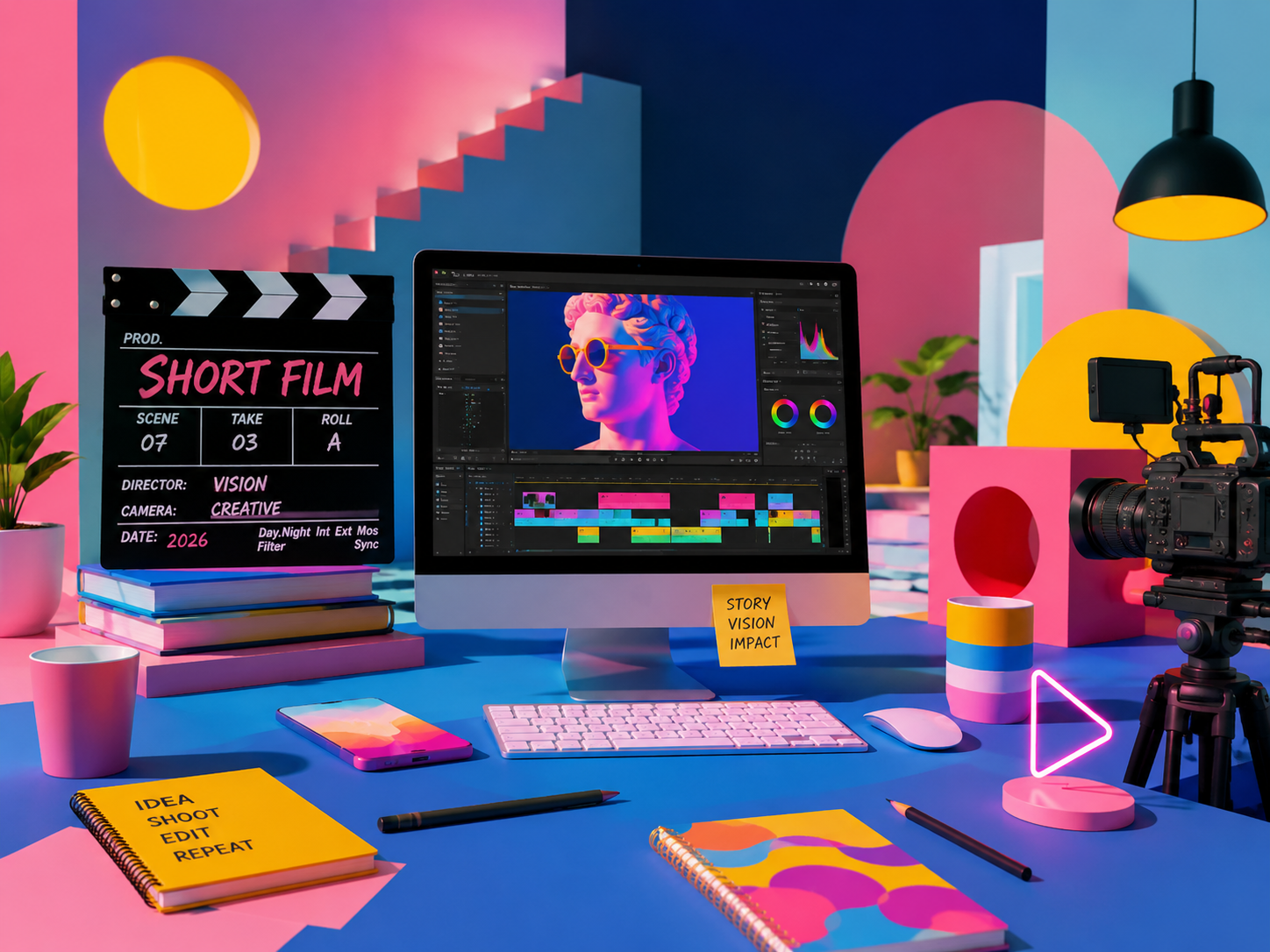
In 2026, attention has become the most valuable currency in digital marketing. Audiences scroll faster, skip quicker, and consume more content in a single day than ever before. For brands, this means traditional advertising alone is no longer enough.
Short-form brand films are now dominating modern marketing because they combine storytelling, cinematic visuals, and fast-paced engagement designed specifically for today’s platforms. From Instagram Reels to TikTok campaigns and YouTube Shorts, brands are investing heavily in films that stop the scroll and leave lasting impressions.
Modern advertising is no longer about longer attention — it is about stronger attention.
Why Short-Form Content Is Winning
Consumer behavior has changed dramatically over the last few years. Audiences now expect content to deliver value, emotion, and entertainment within seconds.
Short-form films work because they are designed around modern viewing habits. They quickly communicate emotion, energy, and brand identity while fitting perfectly into mobile-first platforms.
- Faster audience engagement
- Higher retention rates
- Mobile-first storytelling
- Better social media performance
- Stronger emotional impact
The Shift From Ads to Experiences
Today’s audiences do not want to watch obvious advertisements. They want content that feels authentic, cinematic, and emotionally engaging.
This is why successful brands are moving away from traditional promotional videos and investing in visually driven brand films that feel more like experiences than advertisements.
Strong editing, sound design, pacing, and storytelling help brands create memorable moments — even in under 30 seconds.
How Social Platforms Changed Advertising
Platforms like Instagram, TikTok, Snapchat, and YouTube Shorts have completely reshaped how audiences consume content.
Algorithms now prioritize content that captures attention quickly and keeps viewers engaged longer. Short-form films naturally perform better because they are designed specifically for fast digital consumption.
- Vertical-first viewing experiences
- Fast storytelling structure
- Scroll-stopping visuals
- Higher shareability
- Platform-native engagement
Why Cinematic Quality Matters
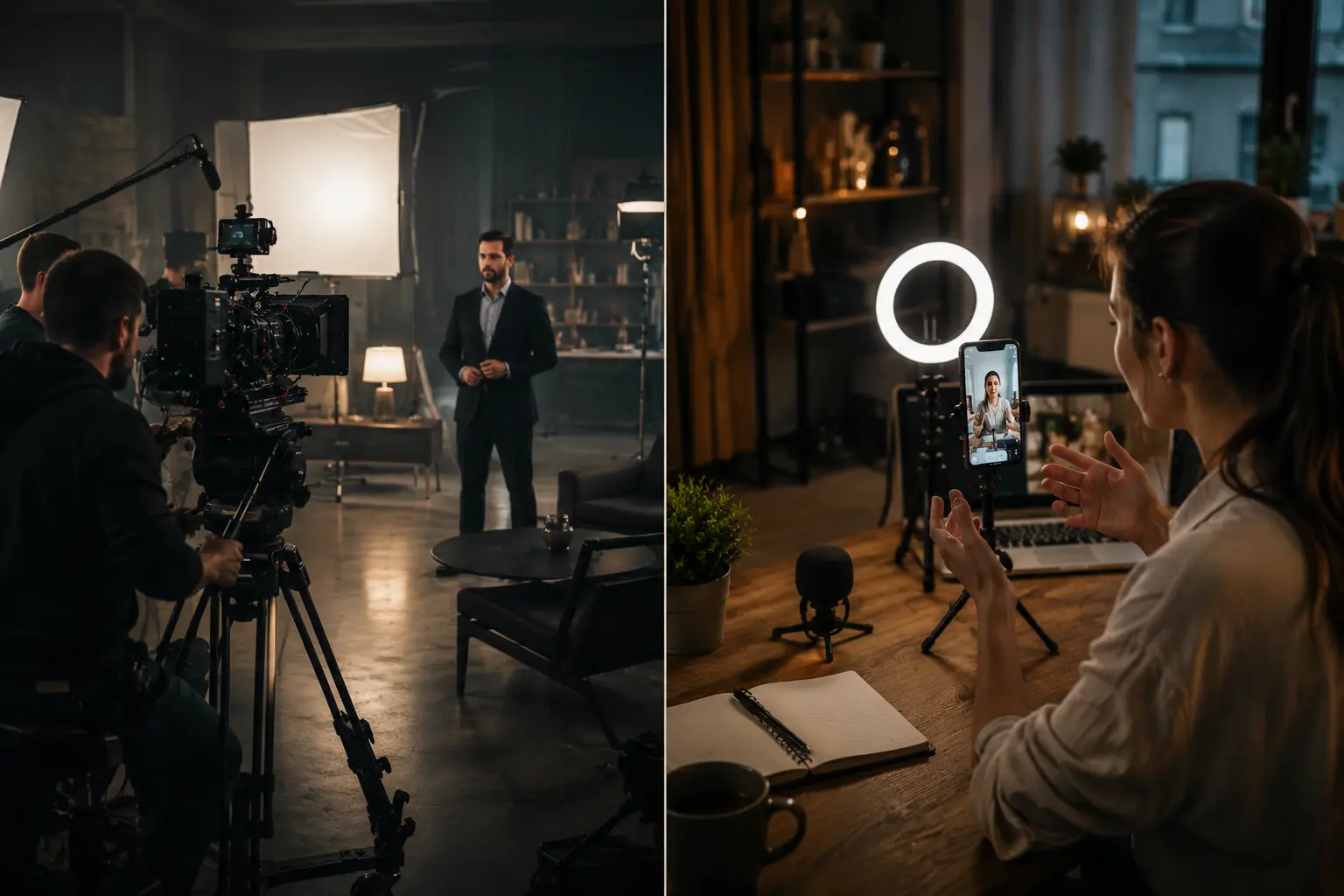
The difference between regular content and professional brand films comes down to execution.
While social content can generate visibility, cinematic advertising films create emotional memory. High-end visuals, creative direction, color grading, sound design, and storytelling all contribute to how audiences perceive a brand.
Brands that invest in cinematic production often build stronger audience trust, premium positioning, and higher long-term engagement.
The brands people remember are the brands that make audiences feel something instantly.
The Rise of AI in Short-Form Production
AI video production is also accelerating the growth of short-form advertising. Modern workflows now combine human creativity with AI-assisted production tools to improve speed, efficiency, and scalability.
AI is helping production teams streamline:
- Editing workflows
- Visual generation
- Motion graphics
- Content localization
- Creative concept development
However, storytelling still remains the foundation of impactful advertising. Technology can improve production speed, but emotional storytelling is what creates real audience connection.
How Dubai Brands Are Adapting
Dubai has rapidly become one of the leading markets for cinematic advertising and premium short-form brand storytelling.
Brands across luxury, fashion, hospitality, automotive, real estate, and technology are increasingly investing in commercial films designed specifically for social-first audiences.
The focus is no longer just creating content — it is creating content people remember after the scroll ends.
Conclusion
Short-form brand films are no longer simply a marketing trend. They have become one of the most effective tools for capturing attention, building emotional connection, and increasing brand visibility in the digital era.
As audiences continue consuming content faster than ever, brands that combine cinematic storytelling with platform-first creativity will continue to dominate marketing in 2026 and beyond.
In a world built around scrolling, the brands that win are the ones audiences stop for.