

10 Minute
The Difference Between Content Creation and Commercial Filmmaking

In today’s digital world, brands are producing more video content than ever before. From social media reels and influencer collaborations to large-scale advertising campaigns, visual storytelling has become essential for modern marketing.
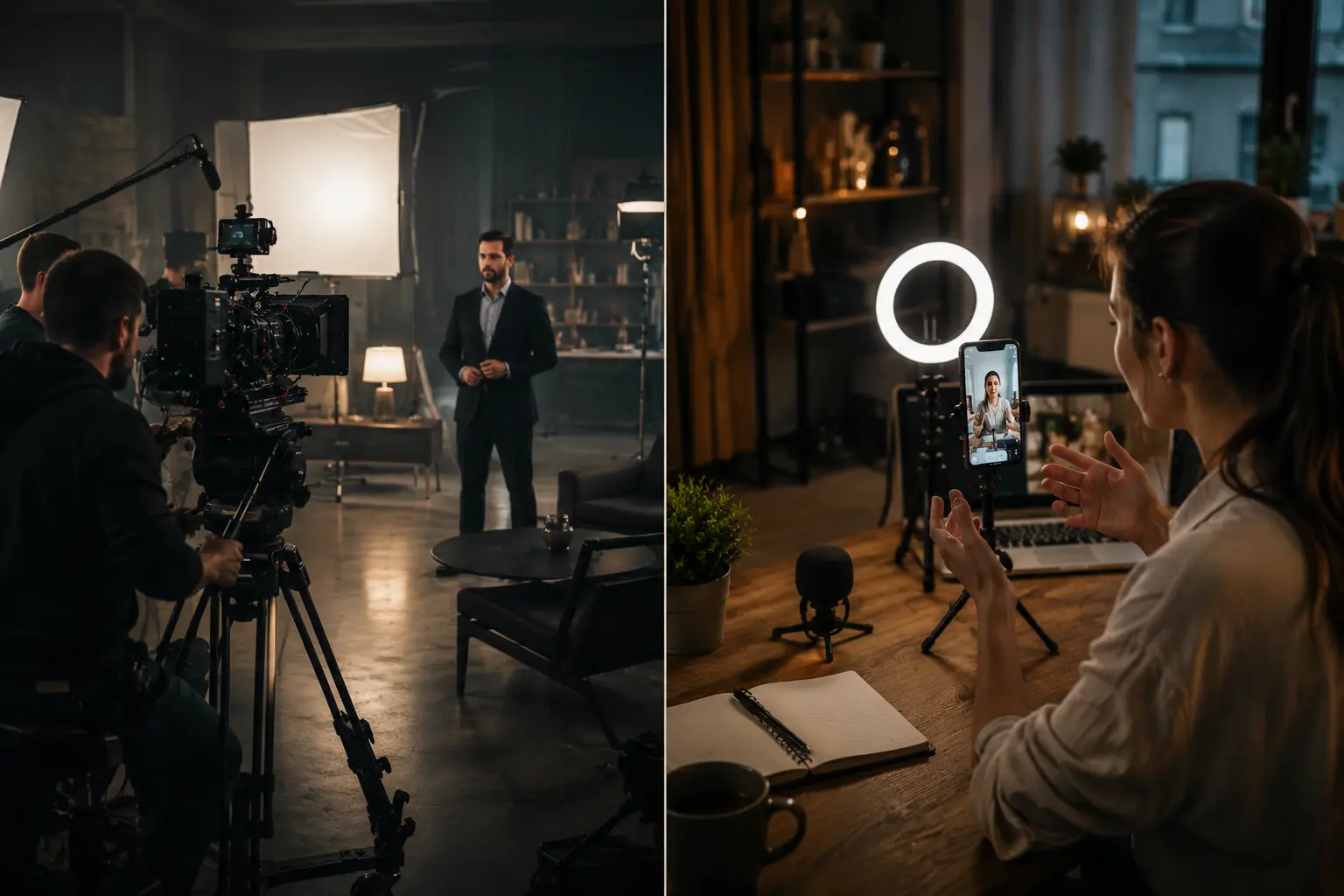
However, many brands still confuse content creation with commercial filmmaking. While both involve video production, they serve very different purposes, follow different creative processes, and deliver completely different results.
Understanding the difference helps brands choose the right strategy for building attention, emotional connection, and long-term brand value.
Content captures attention for a moment. Commercial filmmaking creates memories that last far beyond the scroll.
What Is Content Creation?
Content creation focuses on producing fast, consistent, platform-driven media designed primarily for engagement and visibility.
This type of content is often created for daily social media activity, trend participation, audience interaction, and short-term reach.
- Instagram Reels
- TikTok videos
- Behind-the-scenes clips
- Quick product videos
- Influencer collaborations
Content creation is usually fast-paced, reactive, and designed around quantity and consistency.
What Is Commercial Filmmaking?
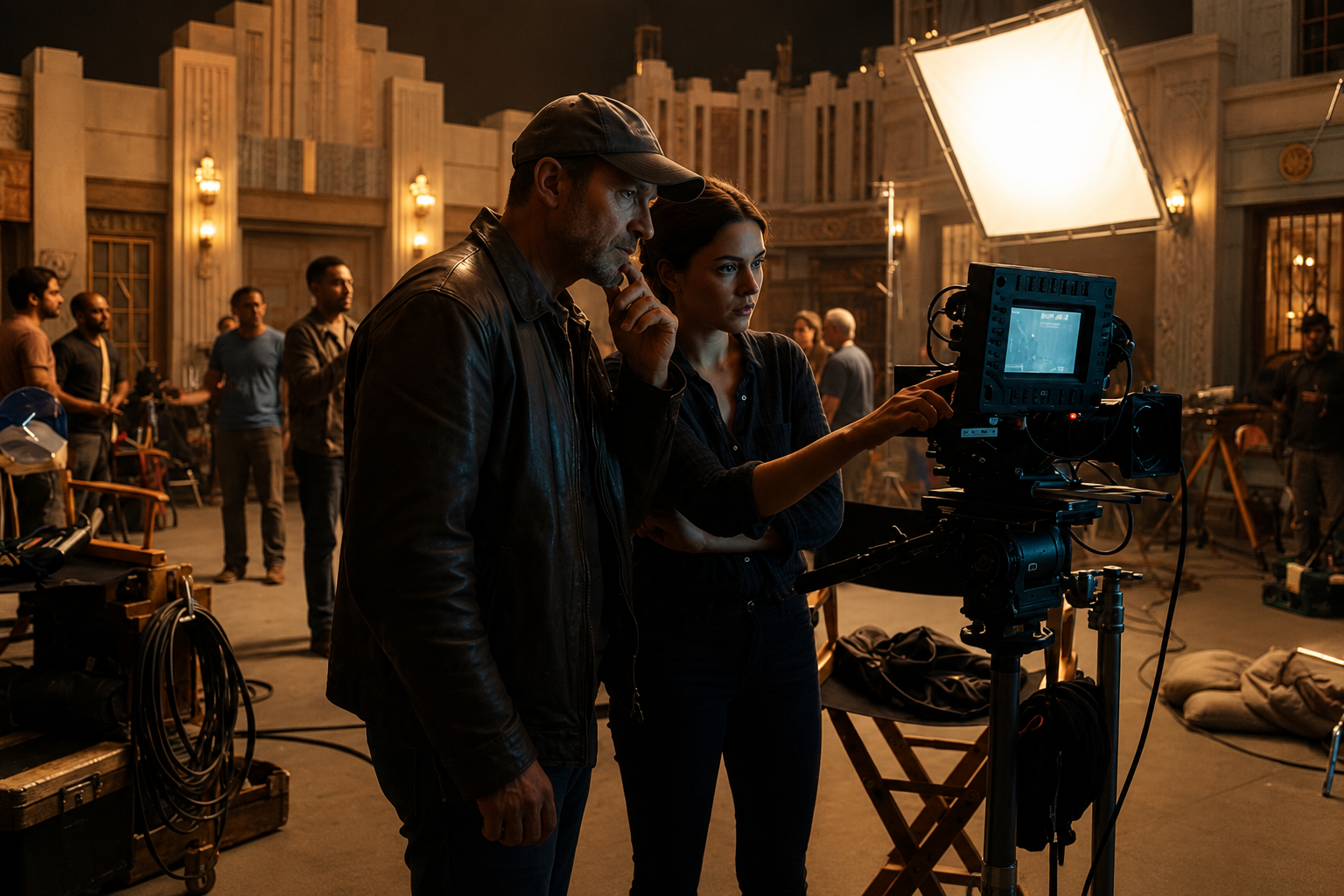
Commercial filmmaking is a strategic form of storytelling designed to build emotional connection, brand identity, and long-term audience impact.
Unlike fast social content, commercial films focus heavily on cinematic quality, creative direction, storytelling structure, sound design, editing, and visual execution.
Commercial filmmaking often involves:
- Creative concept development
- Scriptwriting and storyboarding
- Professional cinematography
- Advanced editing and color grading
- Strategic brand storytelling
The Difference in Purpose
The biggest difference between content creation and commercial filmmaking is purpose.
Content creation is designed to keep brands active online and maintain audience engagement. Commercial filmmaking is designed to shape brand perception and create emotional impact.
While content helps brands stay visible, commercial films help brands become memorable.
Why Cinematic Storytelling Matters
Audiences today are exposed to thousands of pieces of content every single day. Most of it disappears instantly.
Cinematic commercial filmmaking stands out because it creates stronger emotional experiences through visuals, pacing, sound, and storytelling.
- Stronger audience recall
- Higher perceived brand value
- Deeper emotional engagement
- Premium brand positioning
- Longer-lasting campaign impact
The strongest brands are not built only through visibility — they are built through emotional connection.
How Modern Brands Use Both
The most successful brands understand that content creation and commercial filmmaking are not competitors — they work together.
Commercial films often become the foundation of larger content ecosystems. A single cinematic campaign can generate:
- Hero advertisements
- Social media cut-downs
- Vertical short-form edits
- Performance marketing ads
- Behind-the-scenes content
This allows brands to maintain both cinematic quality and consistent digital presence.
The Growing Demand in Dubai
Dubai’s advertising industry is rapidly evolving toward premium visual storytelling. Brands across luxury, fashion, automotive, hospitality, and technology are increasingly investing in cinematic commercial films to differentiate themselves in competitive markets.
At the same time, short-form content remains essential for maintaining visibility across social platforms.
This combination of fast content and cinematic storytelling is shaping the future of modern advertising in the UAE.
Conclusion
Content creation and commercial filmmaking both play important roles in modern marketing, but they deliver different types of value.
Content creation keeps audiences engaged consistently, while commercial filmmaking builds emotional connection, brand identity, and long-term audience memory.
The brands that succeed today are the ones that understand how to combine both strategically — using cinematic storytelling to create impact beyond the scroll.